
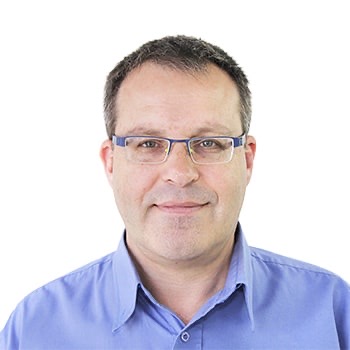
Chief Operating Officer
Ilan Goldberg is COO of Compedia Global Healthcare and a veteran systems architect with more than 35 years of leadership in adaptive technology, AI, and experiential digital platforms. He oversees the company’s operational execution and product engineering—guiding the build of Compedia’s AI-enabled digital health ecosystem for mental and emotional wellbeing. Across his career, Ilan has led R&D in adaptive learning systems, personalization frameworks, and immersive simulation environments, translating complex behavioral science into practical, user-centered software. At Compedia, he ensures that each solution—from trauma recovery and ADHD neurotherapy to emotional resilience tools—is clinically grounded, technically rigorous, and designed to scale personalized care with consistency and integrity.

Chief Business Development Officer
Gil Ilutowich is Founder and CBDO of Compedia Ltd. (est. 1988) He is the driving force behind the company’s evolution from early interactive learning to a global platform for immersive, adaptive digital solutions. For more than 35 years, he has led the development of technology used across education, enterprise, and therapeutic settings—reaching millions of users in 50+ countries and 35 languages. With deep expertise in visual computing, instructional design, and AR/VR-enabled experiences, Gil now leads the strategic vision for Compedia Global Healthcare, uniting academic research and applied AI to deliver clinically grounded digital therapeutics supporting trauma recovery, emotional regulation, ADHD neurotherapy, and long-term mental wellness. He also serves as Chairman of the Board at EmotiPlay.
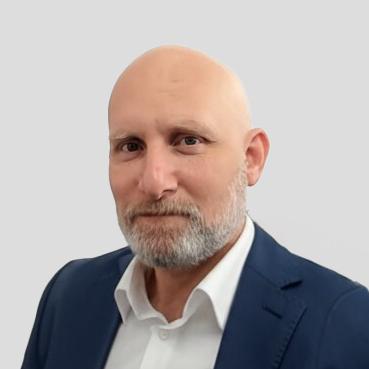
Chief Technology Officer
Segev Moran is a senior technology leader with more than 35 years of experience architecting and delivering software systems at scale. Known for building robust end-to-end platforms—from front-end experience through back-end infrastructure—he specializes in integrating AI, data pipelines, and secure architectures for mission-critical applications. Segev has contributed to Compedia’s emotion-focused learning technologies, including work associated with EmotiPlay, translating complex human-behavior concepts into engaging, adaptive digital experiences. At Compedia Global Healthcare, he leads technology strategy and platform architecture, ensuring the company’s AI-driven mental health ecosystem is secure, scalable, clinically grounded, and capable of delivering real-time, personalized therapeutic experiences globally.

Chief Executive Officer
Roger Bishop is CEO at Compedia Global Healthcare and leads the company’s investment strategy, commercial partnerships, and market expansion roadmap. He develops and executes the operating thesis that guides where Compedia creates value—aligning capital deployment, infrastructure integration, and go-to-market partnerships to scale AI-enabled mental health innovation responsibly. Roger has led strategic initiatives to embed Compedia’s platform into established distribution and device ecosystems and is advancing pathways for employer benefits and supplemental insurance alignment, positioning Compedia’s digital therapeutics as a deployable, reimbursable health solution. A veteran strategist across global infrastructure, energy, and technology ventures, he brings deep experience structuring complex, multi-stakeholder agreements and building scalable, mission-aligned growth models.
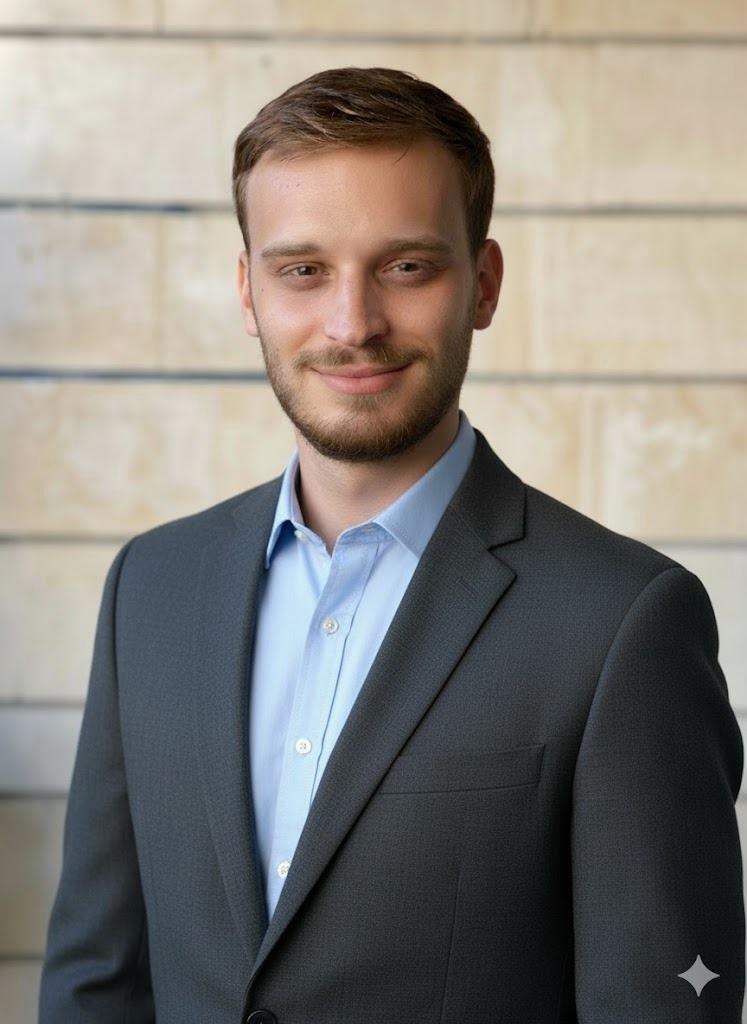
Chief Developer
Oren Ilutowich is Chief Developer at Compedia Global Healthcare, leading the technical vision behind the company’s immersive therapeutic and learning platforms. With deep expertise in software architecture, 3D visualization, and interactive system design, he translates complex healthcare and behavioral science into intuitive digital experiences built for engagement and measurable outcomes. Oren specializes in high-performance, scalable systems and the integration of VR/AR and simulation technologies, collaborating closely with clinicians, researchers, and development teams to turn clinical frameworks into precise, human-centered digital therapeutics.

Chief Legal Officer
Roger Ivey brings over 30 years of leadership, operational, and legal experience. Attendee of the U.S. Military Academy at West Point and Pepperdine Law School, he served more than seven years in the U.S. Army, including as a Captain and Judge Advocate specializing in leadership, operations, and international law.
He later served as sole in-house counsel for UDR, Inc., an S&P 500 REIT, and as General Counsel across the real estate, transportation, healthcare, and IT sectors. A founder of multiple startups, Roger is a tested, operations-focused executive with deep strategic and legal expertise.
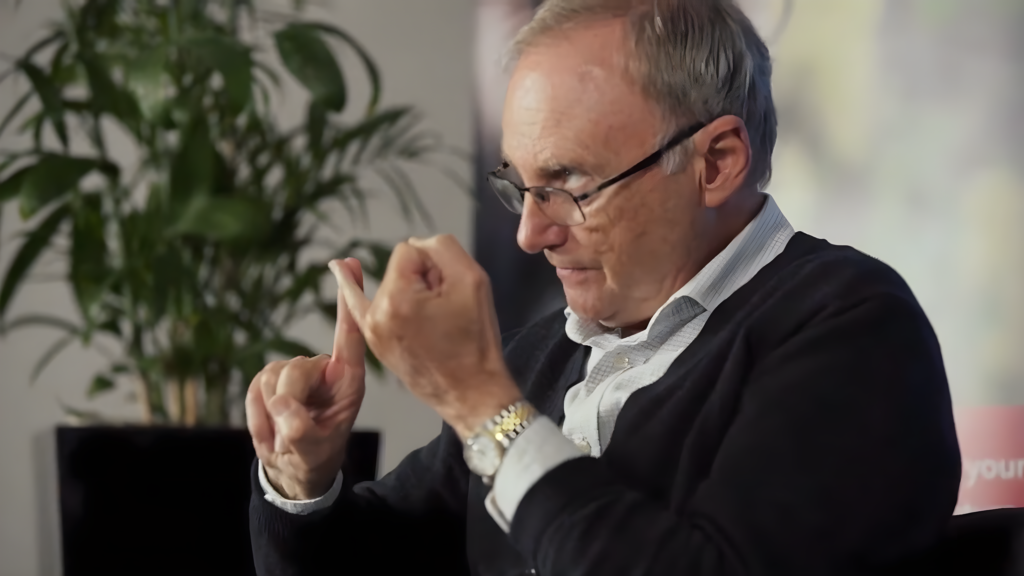
Scientific Advisor — Asperger’s Syndrome, Autism Spectrum Conditions & Neurodiversity
Dr. Tony Attwood is one of the world’s most respected clinical psychologists specializing in Asperger’s Syndrome, autism spectrum conditions, and neurodiversity. For more than five decades, his work has helped shape global understanding of autism, particularly in the areas of clinical recognition, emotional development, social understanding, anxiety, relationships, family support, and practical intervention strategies.
Widely regarded as one of the leading authorities in the Asperger’s and autism communities, Dr. Attwood has made foundational contributions through his clinical practice, research, writing, and international training programs. His books, including Asperger’s Syndrome: A Guide for Parents and Professionals and The Complete Guide to Asperger’s Syndrome, are considered essential resources and have been translated into more than 30 languages, reaching families, clinicians, educators, and researchers around the world.
Based in Australia, Dr. Attwood maintains an active private clinical practice, serves as an Adjunct Professor at Griffith University, and lectures internationally on autism, Asperger’s Syndrome, anxiety, emotional regulation, relationships, social understanding, and quality-of-life support for autistic individuals.
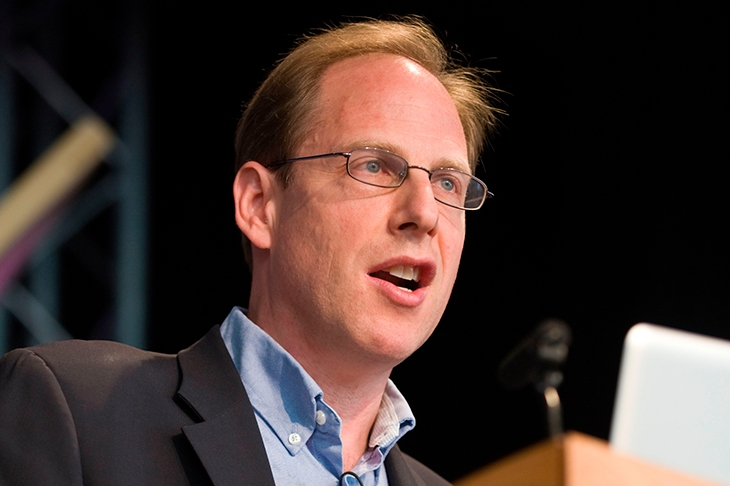
Scientific Advisor — Autism & Neurodevelopmental Research
Professor Simon Baron-Cohen is one of the world’s leading authorities on autism, neurodiversity, and developmental psychology. He is a Professor in the Departments of Psychology and Psychiatry at the University of Cambridge, a Fellow of Trinity College, and Director of the Autism Research Centre in Cambridge.
He has authored numerous books on autism and has published more than 600 peer-reviewed scientific articles that have significantly contributed to the understanding of autism, neurodevelopment, cognition, empathy, and human rights. He also founded the first clinic in the United Kingdom for adults with suspected Asperger Syndrome, helping more than 1,000 individuals receive formal recognition and support for their disability.
In 2017, Professor Baron-Cohen delivered the keynote address at the United Nations in New York for Autism Awareness Day, speaking on the topic of Autism and Human Rights.

Scientific Advisor — Neurodevelopmental Disorders, Autism, ADHD & Clinical Neuropsychology
Professor Sven Bölte is an internationally recognized leader in neurodevelopmental science, autism, ADHD, and clinical neuropsychology. He is Professor of Child and Adolescent Psychiatric Science at the Karolinska Institute in Sweden, where he directs the Center of Neurodevelopmental Disorders at Karolinska Institute “KIND” and leads the Neuropsychiatry Division within the Department of Women’s and Children’s Health.
Professor Bölte also serves as a senior consultant in clinical psychology and a specialist in neuropsychology within Child and Adolescent Psychiatry Stockholm, bringing together deep academic research experience and frontline clinical expertise.
His work has made significant contributions to the understanding, assessment, and intervention of autism spectrum conditions, ADHD, and other neurodevelopmental conditions. He has published more than 400 original articles, reviews, book chapters, assessment tools, and intervention resources, helping advance evidence-based clinical practice, research translation, and support models for children, adolescents, adults, and families affected by neurodevelopmental differences.

Scientific Advisor — Autism, Socio-Emotional Development & Evidence-Based Intervention
Professor Ofer Golan is a clinical psychologist, Associate Professor, and Head of the Autism Research Lab at Bar-Ilan University in Israel. His work focuses on socio-emotional functioning in autism, including social communication, emotion recognition, emotional expression, emotional regulation, and the development of evidence-based interventions designed to strengthen these skills across children, adolescents, and adults.
Professor Golan is recognized for his contributions to translating autism research into practical clinical tools and intervention models. His research bridges academic science and real-world care, with a particular emphasis on helping autistic individuals and their families improve emotional understanding, communication, social engagement, and day-to-day functioning.
In addition to his academic work, Professor Golan is the founder and clinical advisor of two Israeli clinical centers that provide evidence-based diagnosis and intervention services for children, adolescents, and adults with autism and their families. These centers also train clinicians and support the nationwide dissemination of evidence-based autism interventions.

Scientific Advisory — ADHD, Attention Control & Cognitive Neuroscience
Dr. Carmel Mevorach is a cognitive neuroscientist at the University of Birmingham in the United Kingdom and Director of the Cognitive Neuroscience of Atypical Attention Lab. His research focuses on the brain mechanisms of top-down attention control, a core cognitive function that supports learning, self-regulation, perception, response inhibition, and adaptive behavior.
Dr. Mevorach’s work examines how attention is controlled in the brain and how these mechanisms are affected by individual differences, including ADHD, autism, brain injury, and normal aging. Using advanced methods such as functional brain imaging “fMRI,” transcranial magnetic stimulation “TMS,” and transcranial direct current stimulation “tDCS,” his research seeks to identify neurocognitive markers of attention performance and translate those findings into practical intervention strategies.
A major focus of his work is understanding atypical attention in neurodevelopmental conditions, including ADHD and autism. His research has helped clarify how fronto-parietal brain networks, salience processing, response inhibition, and attentional selection contribute to cognitive performance and behavioral outcomes.
Dr. Mevorach’s work is especially relevant to CGH’s CPAT (ADHD) program. His lab has contributed to the scientific foundation supporting computerized attention training and its potential use across ADHD, autism, stroke recovery, aging, and other contexts where attention control plays a central role. His research includes studies showing that computerized progressive attention training may improve academic performance in children with autism, as well as neuroimaging research examining attention and response inhibition in ADHD.
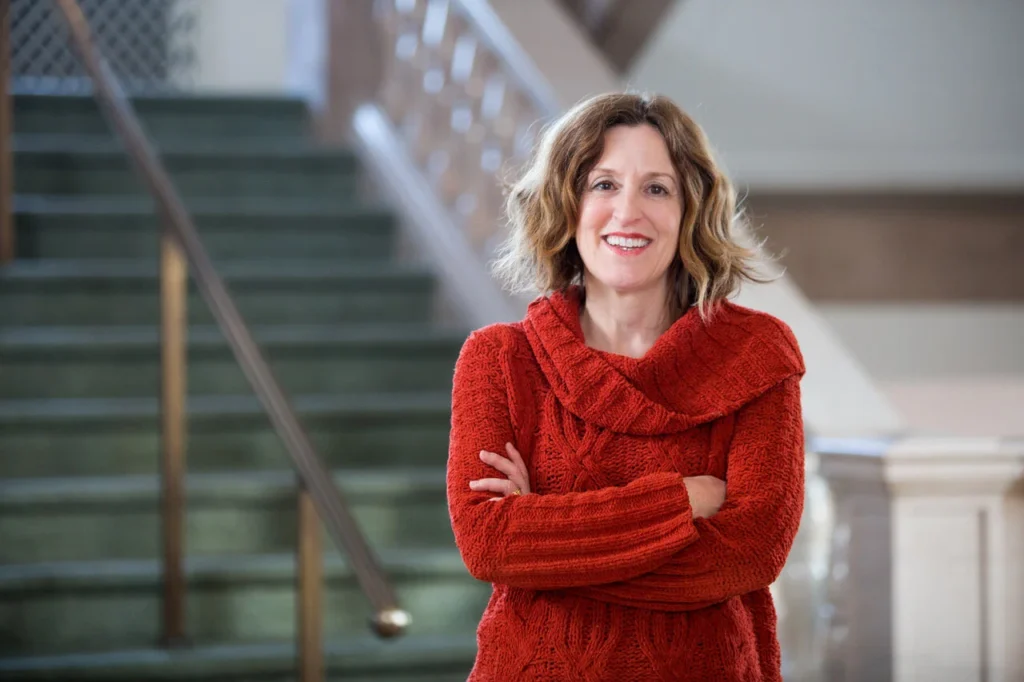
Chief Scientist — Child Trauma, Family Resilience & Preventive Intervention
Professor Abigail Gewirtz is a leading child psychologist, researcher, and Foundation Professor at Arizona State University, recognized for her work in family resilience, child development, and preventive interventions for families experiencing traumatic stress.
Her research focuses on helping children, parents, and caregivers navigate the effects of trauma, deployment, violence, disaster, and other high-stress environments. She is especially known for developing evidence-based parenting and family-support interventions that strengthen caregiver-child relationships, improve emotional regulation, and reduce the long-term impact of trauma on children and families.
Professor Gewirtz is the creator of the ADAPT parenting program, a widely recognized intervention designed to support parents and children facing traumatic stress. Her work bridges clinical science, public health, family systems, and real-world implementation, with a focus on making effective support accessible to families, communities, and service providers.
As Chief Scientist, Professor Gewirtz advises CGH on child trauma, family resilience, preventive intervention, parenting support, caregiver education, clinical research, and evidence-based digital behavioral health programs.

EVP Grants, Nonprofit Partnerships & First Responder Programs
Rodney Love serves as EVP of Grants, Nonprofit Partnerships & First Responder Programs at Compedia Global Healthcare, where he leads strategic grant development, nonprofit partnerships, philanthropic engagement, and the rollout of CGH’s first responder PTSD and trauma-support initiatives.
With more than 20 years of experience building cross-sector relationships, expanding international programs, and developing mission-aligned partnerships, Rodney brings a practical, relationship-driven approach to advancing CGH’s healthcare and behavioral health platform. His work focuses on connecting CGH’s AI-enabled mental health, trauma, neurodevelopmental, and chronic-condition support programs with nonprofit organizations, government grant opportunities, foundations, agencies, and community-based partners.
Rodney is also leading CGH’s first responder PTSD rollout to agencies, helping position the platform as a scalable support tool for law enforcement, fire, EMS, emergency response, and public safety organizations. This initiative focuses on trauma support, resilience, family stress, peer support, and mental health access for first responders and the communities they serve.
Rodney has extensive experience developing multi-region outreach and partnership programs across North America, Europe, Africa, and Asia. Prior to joining Compedia, he co-founded the Master Life Coach Training Institute, where he helped build international partnerships, training programs, and distribution channels focused on personal development, coaching, education, and human potential.

Scientific Advisor — Attention, Cognitive Control, Learning Disabilities & Cognitive Training
Professor Lilach Shalev-Mevorach is a leading researcher in attention, cognitive control, learning disabilities, and evidence-based cognitive training. She is Head of the Attention Lab at Tel Aviv University, affiliated with the School of Education and the Sagol School of Neuroscience, and also serves as Head of the M.A. Program in Learning Disabilities. She is a member of Tel Aviv University’s Committee for Learning Innovation.
Her research focuses on the assessment and training of attention and cognitive control, and how these core cognitive systems affect learning across different populations, ages, and educational settings. Professor Shalev-Mevorach treats attention as a multifaceted cognitive mechanism and uses neuropsychological, physiological, psychological, and brain-imaging measures to understand each learner’s individual attention profile.
Together with her colleagues and research team, she develops novel cognitive training programs and evaluates their effectiveness across diverse populations and cultural settings. Her work has supported innovative intervention studies aimed at improving academic performance from kindergarten through higher education, including research and implementation efforts in Israel, the United Kingdom, Japan, Brazil, Spain, and Greece.
Professor Shalev-Mevorach’s played a crucial role in creating CGH’s CPAT (ADHD) program and broader digital behavioral health platform. Her broader mission is to develop feasible, personalized learning and teaching techniques that account for each learner’s unique cognitive profile.